

Have you noticed your hair falling out more than usual? Hair loss is a common problem that affects women, men and children for a variety of reasons.
From genetic factors to nutrient deficiencies, stress or medical conditions, excessive hair loss can be a wake-up call for your body.
Find out why hair falls out and what you can do to protect it!
Did you know that?
- The average person loses between 50 and 100 hairs a day? This is normal hair loss, as hair is constantly regenerating.
- 801TPTP3T of men experience hair loss at some point in your life.
- Up to 401TPTP3T of women experience thinning hair until the age of 50.
- Iron, zinc and vitamin D deficiencies are associated with hair loss.
Why does hair fall out?
Excessive hair loss can have many causes, and identifying the trigger is key to choosing an effective treatment.
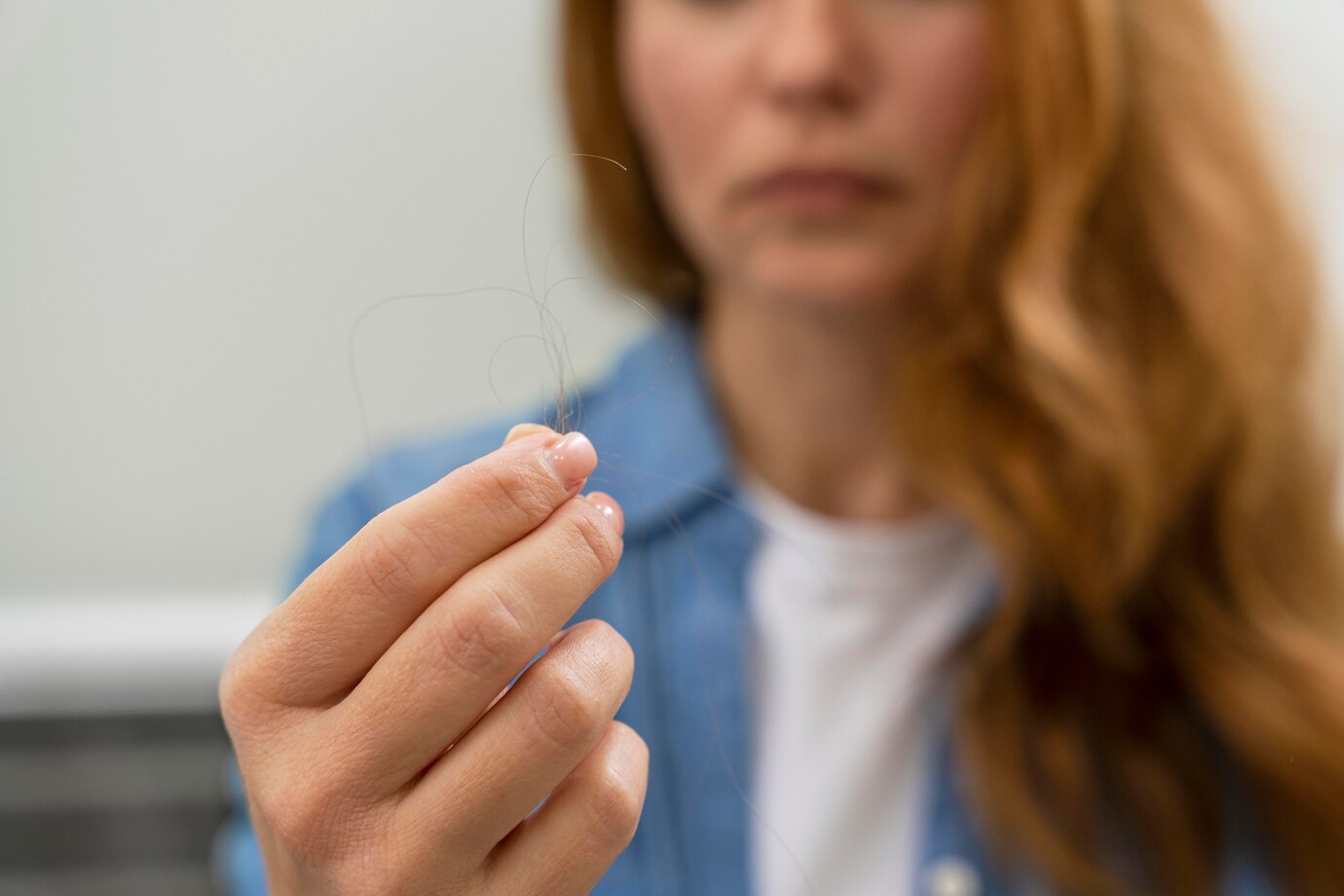
Common causes of hair loss
- Genetic factors - Hereditary alopecia is the most common cause.
- Hormonal imbalances - Hormonal changes from pregnancy, menopause or endocrine conditions can affect hair growth.
- Nutritional deficiencies - Lack of essential vitamins leads to hair thinning.
- Chronic stress - favors the hair loss phase (telogen effluvium).
- Scalp conditions - Seborrheic dermatitis, psoriasis or fungal infections can cause hair loss.
- Excessive use of styling products - Frequent dyeing, straightening with a straightening iron or using harsh hairsprays can damage hair.
According to a study published in Journal of the American Academy of Dermatology, androgenetic alopecia affects about 80% of men and 50% of women over the course of a lifetime.
What vitamin is missing when hair falls out?
Healthy hair needs essential nutrients. Vitamin deficiencies can lead to hair loss. Here are the main vitamins you need:
- Vitamin D - stimulates hair growth. Its lack has been linked to alopecia.
- Iron - helps oxygenate the scalp. Iron deficiency is a common cause of hair loss in women.
- Vitamin B7 (Biotin) - essential for keratin production.
- Zinc - contributes to cell regeneration and keeps hair follicles strong.
- Vitamin E - stimulates blood circulation to the scalp.
A study published in International Journal of Trichology showed that 67% of women with excessive hair loss had low iron levels.
Risk factors
Certain factors can increase the risk of hair loss:
- Family history of alopecia
- Age
- Hormonal imbalances
- Nutrient-poor diet
- Smoking
- Excessive sun exposure
Prevention: How can you fight hair loss?
- Use the right shampoo. We recommend Pharma Hermetic Anti Hair Loss Shampoo, 200 ml - a sulfate- and paraben-free shampoo that stimulates hair growth and prevents brittle strands from shedding.
- Eat a balanced diet rich in protein, iron, zinc and vitamins.
- Avoid stress and aggressive styling techniques.
- Massage the scalp daily to stimulate blood circulation.
- Avoid excessive washing which can dry and irritate the scalp.
A study published in Dermatology and Therapy showed that regular scalp massage for 24 weeks improved hair thickness.
When to go to the doctor?
If you notice sudden hair loss, bald patches or other unusual symptoms, consult a dermatologist or specialist. Sometimes hair loss can indicate more serious health problems.
Frequently Asked Questions
- Why does women's hair fall out?
Causes include hormonal changes (menopause, pregnancy), stress or nutritional deficiencies. - Why does men's hair fall out?
Hair loss in men is often genetic (androgenetic alopecia), but can also be influenced by external factors. - Why does children's hair fall out?
It can be caused by alopecia areata, fungal infections or nutritional deficiencies. - Best treatment for hair loss in women?
Treatment depends on the cause, but using a proper shampoo, a balanced diet and nutritional supplements are essential. - If my hair falls out, do I have cancer?
Not necessarily. Hair loss can be caused by common factors. However, if you have persistent symptoms, see a doctor. - Why does my hair fall out a lot?
It can be a sign of severe stress, nutritional deficiencies, autoimmune conditions or hormonal problems. Consult a specialist for a correct diagnosis.
Take care of your hair! Choose the right products and follow the right tips for healthy, strong hair!