
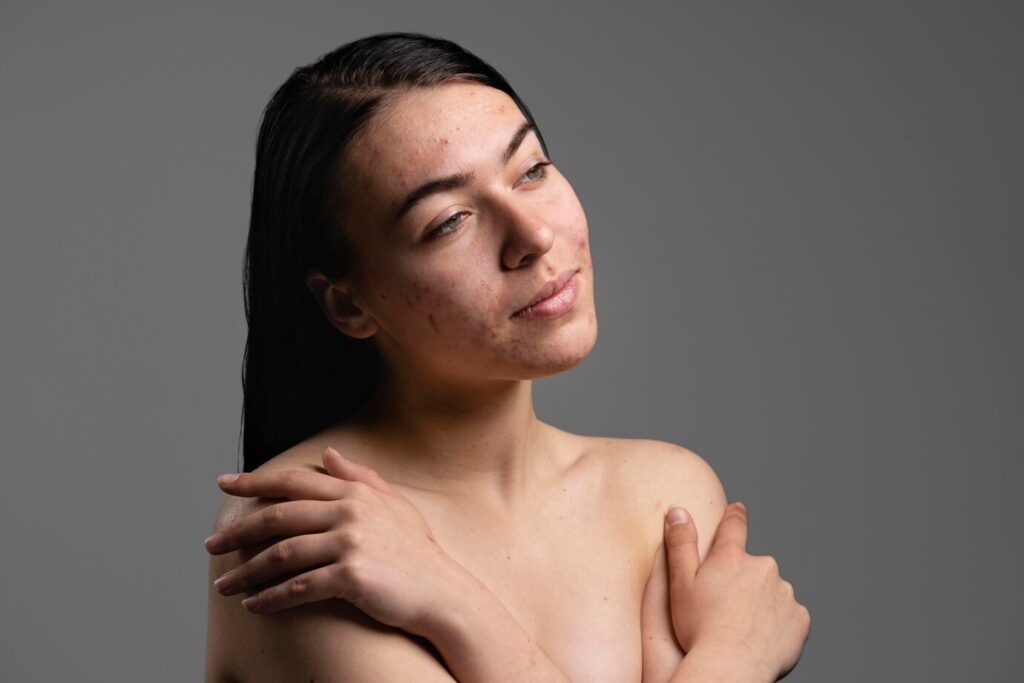
Are you faced with persistent pimples, Blackheads, blackheads or breakouts that appear just when you need a flawless complexion?
Have you tried different products and treatments, but your blemishes don't disappear completely? You are not alone!
Skin problems affect millions of people worldwide, regardless of age or lifestyle.
Although you might think it's just a cosmetic issue, the reality is that the appearance of your skin is influenced by hormones, diet, stress and daily habits.
The good news? There are effective solutions to keep these imperfections under control.
In this article, we look at the most common 5 causes of pimples, but also how you can effectively prevent and treat these problems.
Find out now what mistakes you can avoid for a healthy and clear complexion!
What is acne?
Skin problems occur when pores become blocked due to excess sebum, dead skin cells and bacteria.
This can lead to blackheads, inflamed pimples or even painful cysts.
Did you know that?
- Around 85% of teenagers face skin problems.
- Genetic factors plays an important role in your susceptibility to pimples and other skin blemishes.
- High-sugar diets can worsen inflammation and promote blackheads and pimples.
Causes of pimples
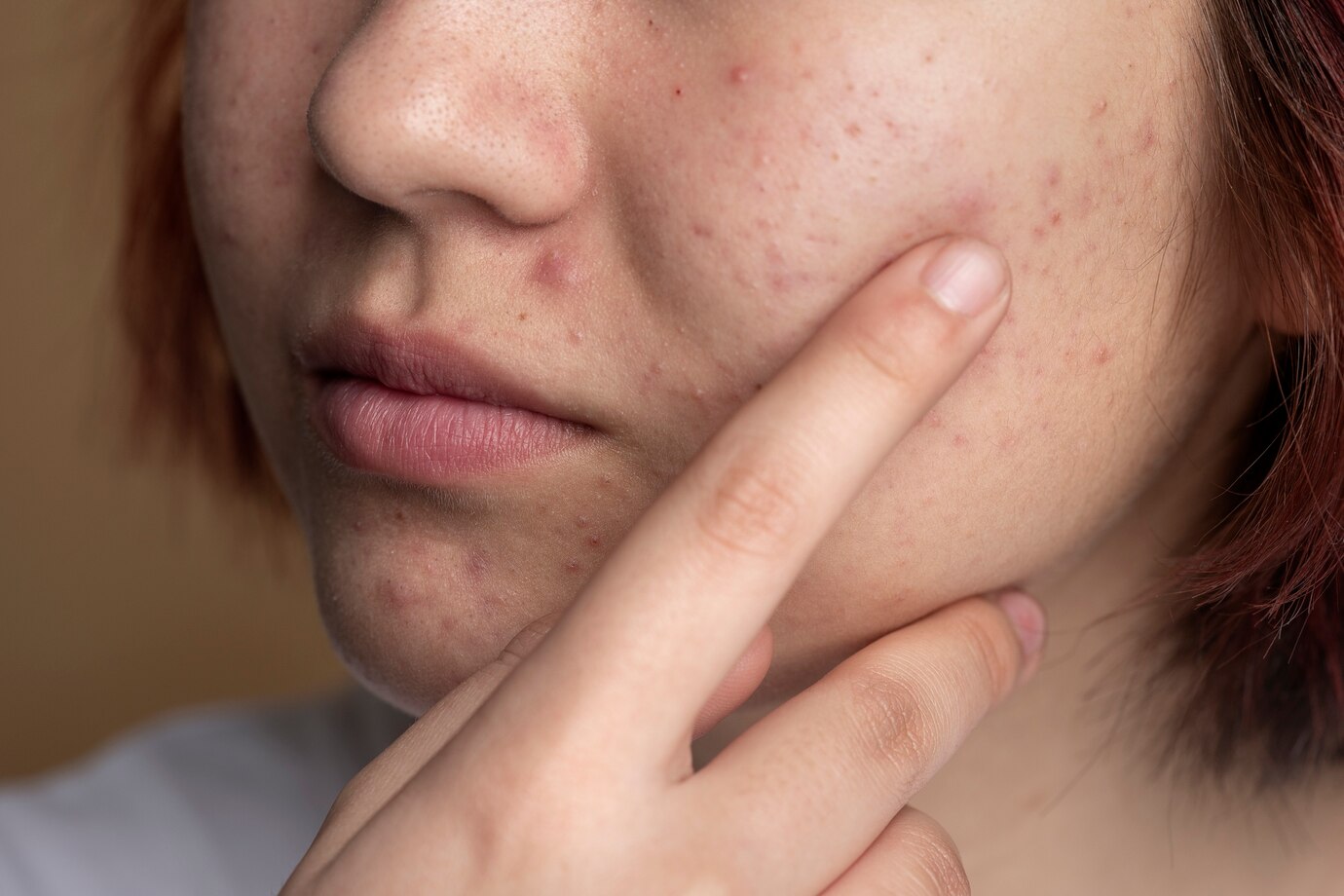
1. Hormonal imbalances
One of the most common causes of acne is hormonal acne, which occurs when hormone levels fluctuate.
It is common in teenagers, pregnant women and premenstrual women.
Excess testosterone stimulates sebaceous glands produce more sebum, which leads to clogged pores and pimples.
How can you fight it?
- Adopt a balanced lifestyle.
- Eat foods rich in omega-3 and antioxidants.
- Use a salicylic acid facial serum for sebum control, such as Sebum Control - salicylic acid facial serum for oily skin.
2. Unhealthy eating
Diet plays a crucial role in skin health. Eating too much sugar, dairy and processed foods it can increase inflammation and sebum secretion, which can lead to acne.
Relevant studies:
- People who eat a lot of dairy are at risk with 44% higher from developing acne.
- A diet rich in sugars and refined carbohydrates increases insulin production, which stimulates androgenic hormones.
Solutions:
- Cut down on dairy and sugar.
- Include in your diet fruits, vegetables and zinc-rich foods.
- Drink plenty Water to keep skin moisturized.
3. Stress and lack of sleep
Chronic stress causes the body to produce more cortizol, a hormone that stimulates sebum secretion and aggravates skin inflammation. Sleep deprivation affects cell regeneration and can lead to small pimples on the face.
Relevant studies:
- People who sleep less than 6 hours a night have 30% more chances develop acne.
How to reduce the effects of stress?
- Practice meditation or yoga.
- Sleep at least 7-8 hours per night.
- Use a moisturizing face mask, such as Pore Control - face mask that balances skin pH.
4. Unsuitable cosmetic products
Using skincare or makeup products that are not suitable for your skin type can lead to blocked pores and pimples.
Pay attention to the label:
- Choose products non-comedogenic.
- Avoid mineral oils and synthetic fragrances.
- Clean your makeup brushes at the very least once a week.
Recommended solution:
- A being with salicylic acid helps reduce excess sebum and prevent the formation of pimples.
5. Poor hygiene
Many people don't realize that constantly touching your face, using dirty towels or cell phones can lead to bacteria build-up and worsen acne.
What can you do?
- Change pillowcase every 2-3 days.
- Clean your phone screen daily.
- Wash your face morning and evening with a suitable cleansing gel.
Treatment options for acne
There are several acne treatment methods, from pharmaceutical to natural. Aherbal treatment for pimples may include ingredients such as green tea, honey and essential oils.
Medical treatment:
- Creams and gels with benzoyl peroxide or retinoids.
- Antibiotic for acne in severe cases.
- Treatments with laser or chemical peeling.
Herbal treatment:
- Aloe vera - anti-inflammatory and soothing effect.
- Tea tree oil - antibacterial properties.
- Honey and cinnamon mask - reduces inflammation.
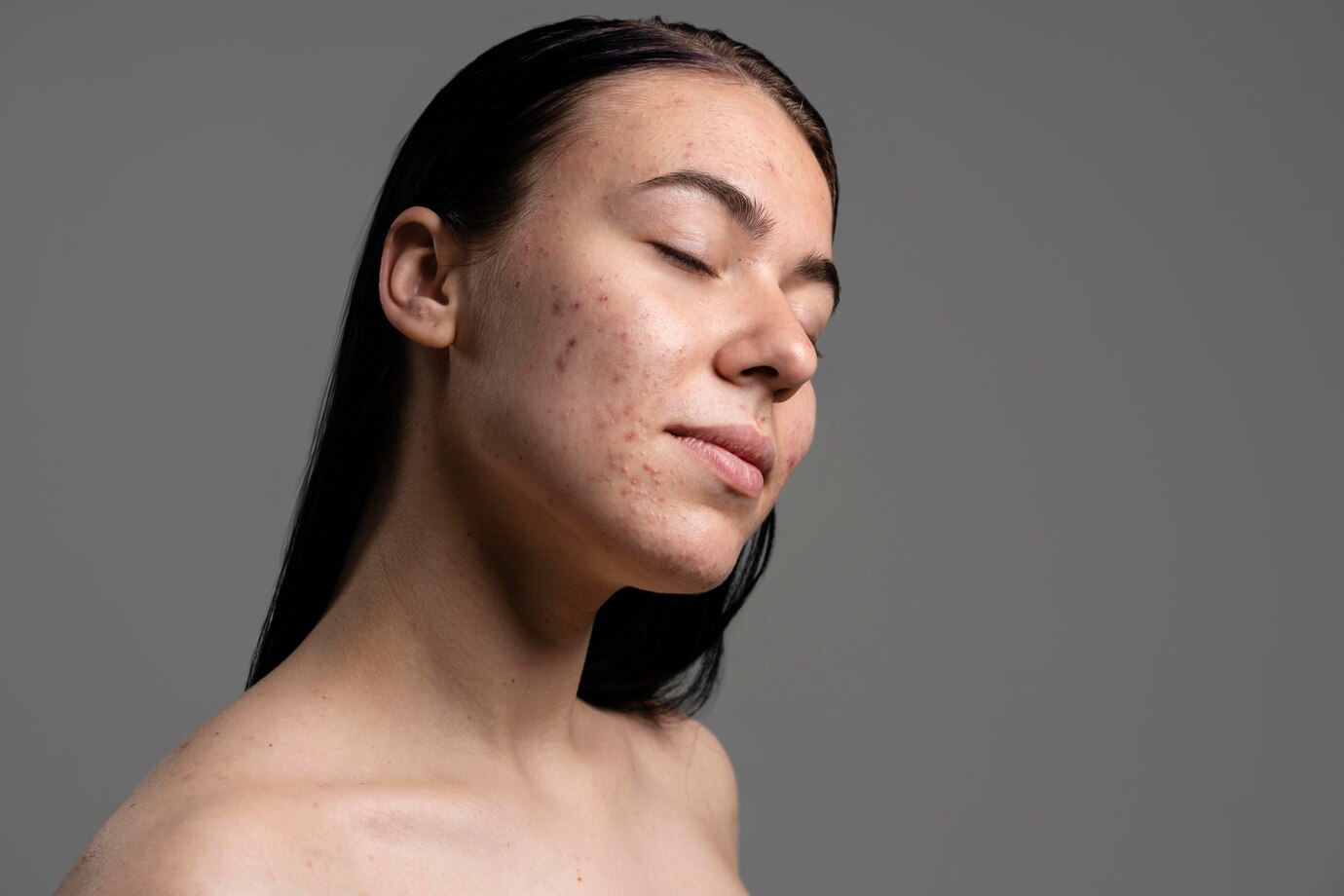
Daily skin care to prevent acne
To prevent acne, it's essential to follow a good skincare routine.
Morning:
- Wash your face with a gentle cleansing gel.
- Apply a facial serum for sebum control.
- Moisturize your skin with a cream non-comedogenic.
- Apply sunscreen.
Evening:
- Do your homework properly.
- Exfoliates skin from 2-3 times a week.
- Apply a mask moisturizing and purifying.
Frequently Asked Questions
- What is hormonal acne?
It is a type of acne caused by hormonal fluctuations and occurs most commonly in teenagers and women. - Is it true that chocolate causes acne?
There's no clear evidence, but foods high in sugar and dairy can make acne worse. - Why do small pimples appear on the face even after treatment?
This can be caused by factors such as stress, unhealthy eating or using the wrong products.
Need help?
If you are experiencing persistent acne problems, consult a dermatologist for a personalized treatment. Plus, try specialized skin care products. .
Sources and References
- American Academy of Dermatology Association - How hormones influence acne
- National Institutes of Health (NIH) - Diet and Acne: Reviewing the Evidence
- Mayo Clinic - Acne: Causes and Treatment
- Journal of Clinical and Aesthetic Dermatology - The Role of Stress in Acne
- Harvard Health Publishing - Does dairy cause acne?