
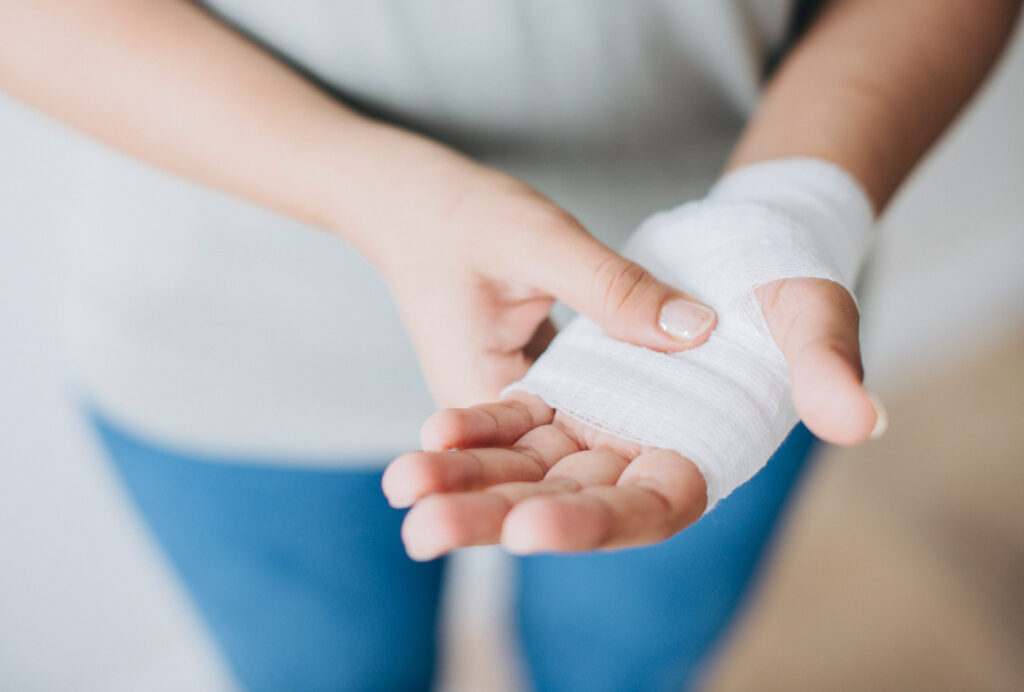
What are open wounds?
O open wound is any cut, scratch or break in the skin that exposes internal tissues to the outside environment. This type of wound can range from a superficial scratch to deeper wounds that require specialized medical care.
Scar treatment The results from these wounds are essential to prevent complications and improve the appearance of the affected skin.
According to statistics, open wounds is about 401TPTP3T of all injuries requiring medical treatment.
Types of open wounds:
- Cuts and scratches: They can occur from a variety of causes, from household accidents to sporting activities.
- Burns: Skin can be damaged by heat or chemicals.
- Injuries caused by accidents: These include crush, puncture or blast injuries.
How to treat a wound at home
The first step in effectively treating a wound at home is to prevent infection and speed up the healing process. In most cases, the steps are simple and involved:
- Cleaning the wound: Use warm water and soap to wash the affected area. Avoid using alcohol as it can dry and irritate the skin.
- Applying an antiseptic: Using a mild antiseptic can prevent open wounds from becoming infected. This is an essential step to avoid complications.
- The right dressing: Covering the wound with a sterile dressing protects against bacteria and speeds up healing by maintaining the moisture needed for tissue regeneration.
How a wound heals
Wounds heal in three stages:
- Inflammation: The body sends white blood cells to fight infection and start the process of cleaning the affected area.
- Proliferation: New tissue begins to form to replace damaged skin.
- Remodeling: The wound closes completely and the scar tissue begins to get stronger and fade.
An important factor in the healing process is during. Small wounds usually heal completely in about 7-14 days, depending on the severity of the injury and the person's general health.
Mistakes to avoid when treating wounds
- Application of unsuitable products: Excessive use of greasy creams can slow healing because they prevent oxygen from reaching the tissue.
- Removing the dressing too early: The dressing should be changed regularly, but not removed before the wound is partially healed. Otherwise, you may cause the wound to re-open.
- Not paying attention to signs of infectionIf the wound becomes red, swollen or starts to discharge pus, it may be infected. In this case, you should consult a doctor.
What to put on the wound to make it heal faster
For effective and fast healing, there are products to help heal wounds and prevent unsightly scars.
PRO-SIL Stick for scar treatment, available in online shop martinclinic.ro, is an ideal solution for accelerating the healing process and reducing scarring.
Why choose PRO-SIL?
- Silicone-based formula: Silicon is a recognized ingredient for the ability to improve the texture and appearance of scars, significantly reducing recovery time. Studies show that using silicone can speed up wound healing by up to 30% than traditional methods.
- Ease of applicationPRO-SIL in stick form is very easy to use and can be applied directly to the wound without the risk of irritation.
- Visible results: Users reported significant improvements in scarring after just 4-8 weeks of use.
Additional tips for fast wound healing
-
Moisturizing the skin
Moisturizing the skin is essential for the healing process. Well-moisturized skin promotes cell regeneration and helps maintain tissue elasticity. Applying moisturizing creams or ointments to a clean wound can speed up the healing process and reduce the risk of unsightly scars. It is also recommended to use products containing active ingredients such as aloe vera or panthenol, which have beneficial effects on the skin and contribute to faster healing. .
-
Balanced diet
O balanced diet play a crucial role in the body's recovery. Foods rich in vitamins and minerals are essential for tissue regeneration. For example, vitamin C helps synthesize collagen, a key component of skin, and Zinc supports the healing process. Fresh fruits and vegetables, nuts, seeds and lean proteins should be included in the daily diet to support the immune system and improve recovery. .
-
Rigorous hygiene
Maintaining a rigorous hygiene is fundamental to preventing infection. It is important to wash the wound daily with mild soap and water, then apply an antiseptic to kill bacteria. Frequent dressing changes are also crucial to prevent contamination. Make sure you use sterile dressings and remember to wash your hands before touching the wound or changing the dressing. .
These simple but effective measures can go a long way to helping wounds heal quickly, ensuring you recover as quickly as possible. If the wound does not heal or signs of infection appear, consult a doctor for further advice.