
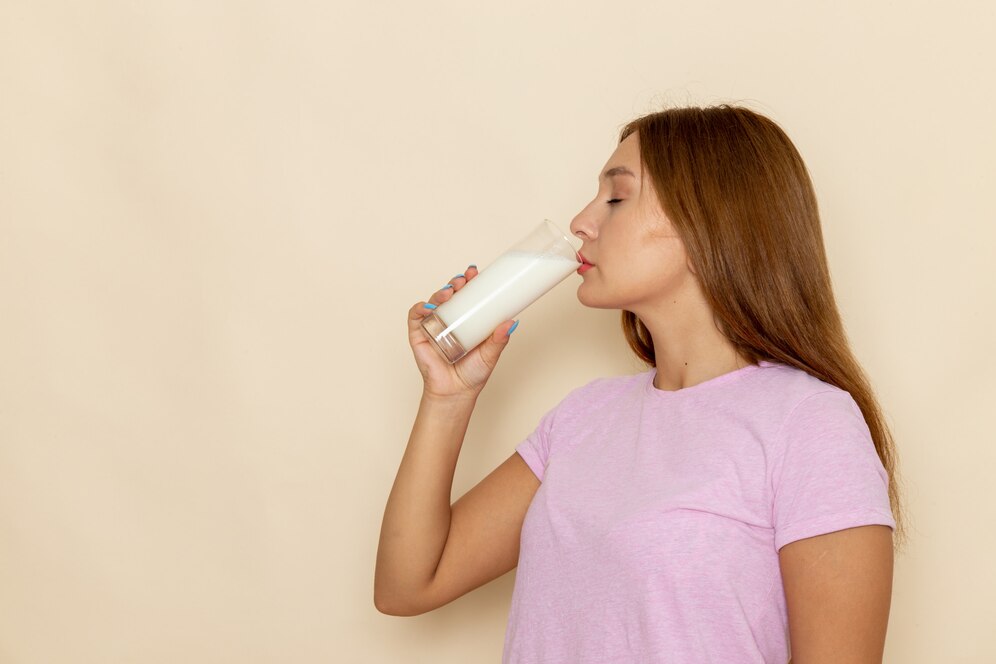
Have you noticed that your complexion gets worse after consuming dairy? You're not alone. More and more people are wondering if milk causes acne and whether seemingly harmless eating habits are affecting skin health.
In this article, we'll look at what the studies say, what effect milk has on the skin and what alternatives there are.
Foods that cause acne are a topic of interest to anyone dealing with imperfections, and milk is often at the center of the discussion.
Body milk and inflammation - a combination that's not good for your complexion
Inflammation is a key factor in acne.
Studies show that certain proteins and hormones in milk can stimulate sebum production, in particular IGF-1 (insulin-like growth factor 1), which is associated with pimple formation.
A study published in Journal of the American Academy of Dermatology showed that adolescents who consume skimmed milk have a 44% higher risk of acne compared to non-dairy eaters.
Milk also stimulates the inflammatory response, which aggravates not only acne, but also other dermatological conditions. So, The link between dairy and acne is not just an urban myth.
Did you know that...?
- Over 80% of teenagers suffer from acne at some point and dietary factors play an important role.
- Skimmed milk is more problematic than whole skin.
- In many cases, dairy elimination from the diet for 30 days leads to a visible improvement in the appearance of the skin.
Why does acne appear after drinking milk? Here's the scientific explanation

How dairy contributes to zits:
- Growth hormones in cow's milk stimulates the sebaceous glands.
- Milk proteins (casein and whey) can upset hormone balance.
- Skimmed milk increases insulin, which leads to more sebum and inflammation.
- Milk affects intestinal flora - and skin health starts from within.
In short: milk is a trigger for many people with acne-prone skin.
The best news: Plant-based milk is a great alternative
What can you drink instead of classic milk?
- Almond milk - anti-inflammatory, rich in vitamin E.
- Oat milk - skin soothing, ideal for sensitive skin.
- Coconut milk - natural antibacterial.
- Soy milk - balanced, but preferably in moderate amounts.
Choose unsweetened variants to avoid the negative effects of sugar on your complexion.
Two treatments that can transform your acne-prone complexion
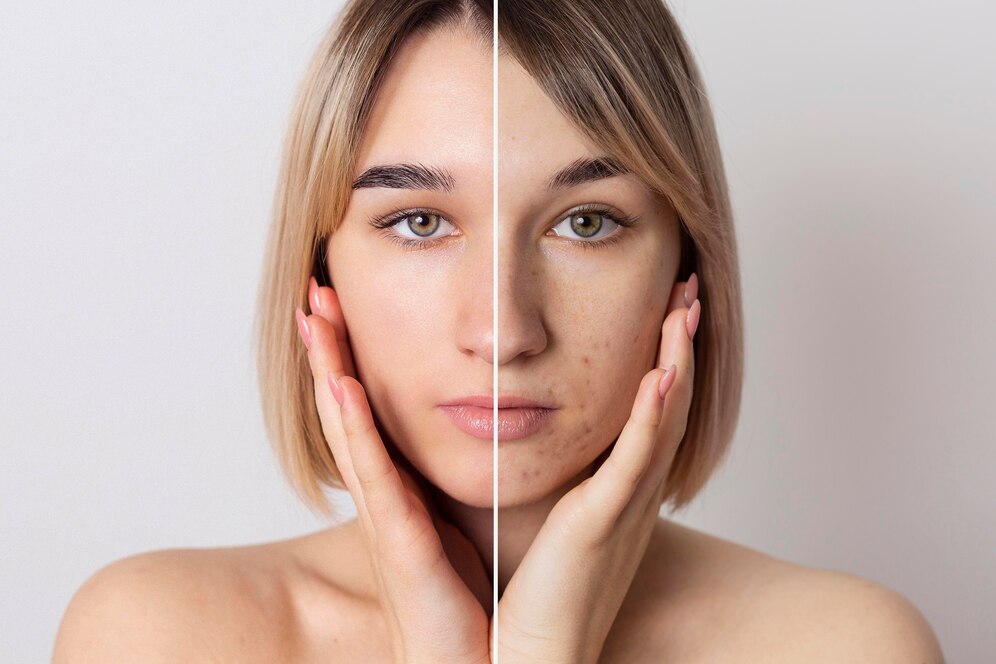
In addition to diet, the right, personalized treatment makes all the difference. Here are two products that I wholeheartedly recommend and which deliver visible results:
1. Sebum Control - salicylic acid facial serum for oily skin with brightening effect 30ml
- Contains salicylic acid - essential ingredient in the fight against acne
- Reduces sebum production
- Offers a mattifying and brightening effect from the very first uses
- Ideal for oily or combination skin
2. Pore Control - face mask that intensely moisturizes, balances skin pH and removes dead skin cells 50ml
- Clean and deeply unclogs pores
- Calms inflammation
- Suitable for use twice a week
- Let the skin smooth, moisturized and balanced
Combined in the right routine, these products can visibly transform a problematic complexion.
Frequently asked questions about dairy and acne
- Does dairy cause acne in everyone?
No. Every skin reacts differently, But if you have acne-prone skin, it's worth trying a dairy-free period to see the effects. - Is yogurt as bad as milk?
Natural yogurt may be better tolerated due to probiotics, but the effect varies. Avoid yogurt with added sugar. - If I stop dairy, will acne go away immediately?
Effects may appear after 2-4 weeks. Your skin needs time to balance itself. - What can I eat instead of cheese and milk?
Excellent alternatives include: almond cheese, tofu, vegetable milk, nuts and seeds for calcium.
Drinking milk can significantly contribute to acne, especially in susceptible people.
If you've tried several treatments without success, consider a change in diet.
Dairy elimination and the introduction of effective dermato-cosmetic products can bring real results.
Foods that cause acne are more common in the modern diet than we like to admit, and milk is one of them.
As a doctor, I recommend that you observe your body, be kind to your skin and choose treatments that respect the skin's natural balance.
For more recommendations and products specifically designed for acne-prone skin, I invite you to discover EM Skincare full range.
Sources and references: